

James Whitmore
Business Management
★ 8+ Years ExperienceProvides learning-focused guidance, research direction and academic review support.
Our HR assignment help in UK supports students who need to interpret theories, evaluate workplace evidence and address recruitment, employee relations, performance, leadership and strategic people-management tasks. Online Academic Help supports undergraduate, postgraduate, MBA and professional learners with planning, research direction, case study analysis, editing, proofreading, Harvard referencing and model-answer guidance. Every request is mapped to the assessment brief, learning outcomes, marking criteria and relevant academic standards.
Human Resource Assignment Help provides structured academic guidance for UK students completing HR essays, reports, case studies, reflective tasks and research-based coursework. It can include brief interpretation, topic planning, theory selection, research direction, critical feedback, editing, proofreading and referencing support.
Human resource management combines employment law, organisational behaviour, workforce analytics and business strategy. Effective guidance helps students connect these areas to the assessment question while retaining responsibility for their own final submission.

Guidance is organised around the academic level, marking rubric, word count, deadline and required referencing style.
Human resource management coursework requires more than a description of workplace policies. Students must compare theories, interpret organisational evidence, consider legal duties and develop evidence based recommendations that respond directly to the assessment criteria and relevant university guidelines.
Coursework may take the form of an essay, business report, presentation, portfolio, reflective account, research proposal or dissertation. Each format needs a different structure. Essays develop an academic argument, reports use findings and recommendations, reflective work connects experience with a recognised model, and research projects require a defined question, method and analysis plan.
HR homework help is suitable for seminar questions, weekly exercises, policy reviews, workforce calculations, case analyses and extended written tasks. Students can request support for one difficult question or a complete coursework plan.
Guidance may cover employee turnover, absence rates, recruitment metrics, workforce productivity and performance indicators. Tutors can also demonstrate how to compare HR models, interpret a workplace scenario and support conclusions without adding irrelevant background material.
Technology-focused modules may examine text classification for categorising employee comments, sentiment analysis for measuring workforce attitudes and entity extraction for identifying departments, qualifications or job roles. These techniques should be connected to a clear HR purpose, suitable data and responsible decision-making.
A strategic HRM assignment examines how people-management decisions support long-term organisational priorities. The chosen HRM model should match the organisation, workforce issue and evidence presented in the brief. Students may evaluate recruitment, succession planning, leadership capability, workforce flexibility, employee development and reward strategy.
Workforce planning helps an organisation estimate future employee numbers and skills. A talent acquisition strategy can then explain how suitable applicants will be attracted, assessed and selected. Strong analysis also considers financial limits, operational risks, employee expectations and measurable HR outcomes.
Resume parsing can convert CV information into structured data, while semantic matching can compare candidate experience with job requirements. Students should assess whether these tools improve consistency and efficiency without overlooking bias, transparency, accessibility or data quality.
Advanced discussions may include embeddings for representing skills and experience, zero-shot classification for sorting employee feedback and prompt engineering for HR chatbots. Each concept should be evaluated through its practical value and limitations.
Students searching for “pay someone to do my HR assignment” are often managing unclear instructions, limited time or overlapping deadlines. Responsible assignment help services provide tutoring, planning, source direction, editing and feedback rather than encouraging students to submit unidentified work as their own.
Online Academic Help can assist with interpreting the brief, developing an original outline, explaining difficult concepts, reviewing arguments and checking whether the marking criteria have been addressed. Students remain responsible for understanding the material and following their university’s academic integrity rules.
An online HR tutor or experienced HR specialist can explain difficult ideas in a structured way when lectures, textbooks or general online resources do not answer the assignment question. Guidance is adapted to the student’s module, academic level and existing draft.
Tutors may explain organisational culture, employee retention, compensation and benefits, recruitment methods, training and development or a performance appraisal system. The focus remains on helping the student apply knowledge rather than memorise definitions.
Request HRM Support
Students seeking help with human resource homework often need support locating, evaluating and applying evidence. Suitable sources may include peer-reviewed journals, academic books, UK legislation, government publications, CIPD material, Acas guidance and reliable organisational reports.
Topic modeling can identify themes across employee surveys or interview transcripts. Semantic role labeling can clarify who performed an action, what occurred and who was affected. Part-of-speech tagging and tokenization may support language analysis, while lexical diversity can be used to examine variation in written responses.
These methods should not be inserted only as technical terms. A strong assignment explains the research purpose, method, ethical concerns, data limitations and implications for HR decisions.
The best HR assignment help should reflect the qualification, module outcomes and marking standards. Early undergraduate work may require accurate explanation and basic application. Final-year, postgraduate and MBA assessments normally demand stronger synthesis, critical comparison and strategic judgement.
Support is available for undergraduate HRM modules, postgraduate human resource management, MBA human capital subjects, CIPD-related coursework, organisational psychology, employment law, HR analytics and research projects.
University human resource management help is available online to students across England, Scotland, Wales and Northern Ireland. Guidance can be adapted to university-specific rubrics, module instructions and referencing conventions.
Students in London, Manchester, Birmingham, Leeds, Liverpool, Sheffield, Bristol, Glasgow, Edinburgh, Cardiff, Leicester, Nottingham, Newcastle, Coventry, Oxford and Cambridge can submit a brief for review.
Employee relations assignment assistance covers communication, employee voice, consultation, trade unions, grievance procedures, discipline, negotiation and industrial conflict. A balanced response should consider the responsibilities and interests of employees, managers, HR professionals and workplace representatives.
Conflict resolution may involve informal discussion, mediation, negotiation, investigation, arbitration or a formal grievance process. Assignments may also address labor laws, equality, dismissal, working time, employment contracts, workplace safety and employee representation using relevant UK terminology and authoritative sources.
Technology-focused assessments may examine transformer architecture in systems used to analyse employee complaints or answer policy questions. Instruction fine-tuning, parameter weights, token probability, a system’s context window and synthetic data generation may be relevant when evaluating how such tools are trained, tested and governed.
Support covers the employee lifecycle, organisational systems and strategic decisions commonly assessed in UK HRM modules.
Job analysis, workforce demand, employer branding, interviews, assessment methods, fair selection and talent acquisition strategy.
Skills-gap analysis, learning methods, coaching, career development and evaluation using models such as ADDIE or Kirkpatrick.
Objectives, feedback, coaching, rating bias, capability improvement and the design of a performance appraisal system.
Employee voice, consultation, psychological contracts, discipline, grievance management and conflict resolution.
Salary structures, incentives, pensions, non-financial rewards, pay equity and performance-related reward.
Contracts, equality, discrimination, dismissal, working hours, employee rights and workplace responsibilities.
Leadership, motivation, teamwork, power, communication and the influence of organisational culture.
Labour demand, skills forecasting, succession planning, workforce supply and strategic deployment.
Commitment, satisfaction, motivation, turnover evidence and practical employee retention initiatives.
Workforce metrics, automated recruitment, learning platforms, employee self-service and responsible AI.
The onboarding process, role clarity, policy awareness, team integration and early employee experience.
Global staffing, cross-cultural management, organisational change and alignment between people strategy and business goals.
Digital HRM assignments may assess how artificial intelligence supports recruitment, employee analytics, policy search and workforce communication. Retrieval-augmented generation can connect a language model with verified policy or organisational sources, while a context window determines how much information the system can consider during one interaction.
Students may also evaluate instruction fine-tuning, embeddings, prompt engineering, zero-shot classification, parameter weights and token probability. Transformer architecture explains the technical foundation of many language systems, while synthetic data generation may be used for testing when access to real employee information is restricted.
A critical discussion should assess accuracy, bias, privacy, explainability, human oversight and accountability. Technical capability alone does not establish that a system is appropriate for a sensitive employment decision.
The process begins with a review of the assignment brief, learning outcomes, marking criteria, academic level, deadline and word count. The task is divided into sections so that every paragraph has a clear purpose and contributes to the main argument.
Research guidance identifies suitable theories and evidence. Structural feedback highlights weak transitions, unsupported claims, excessive description and gaps in critical evaluation. Students are also guided to produce plagiarism free work by citing sources correctly and developing their own analysis. A final review can assess relevance, academic tone, HR terminology, referencing, grammar, word-count control and coverage of the assessment criteria.
Provide the instructions, rubric, deadline and current draft.
The task is mapped to its learning outcomes and assessment format.
Obtain structured support for research, analysis and presentation.
Use the feedback responsibly to prepare the final submission.
Our multidisciplinary team supports HRM theory, employment law, organisational behaviour, analytics and reward topics.
Business Management
★ 8+ Years ExperienceProvides learning-focused guidance, research direction and academic review support.

Nursing & Healthcare
★ 9+ Years ExperienceProvides learning-focused guidance, research direction and academic review support.

Law & Research Writing
★ 10+ Years ExperienceProvides learning-focused guidance, research direction and academic review support.

Computer Science & Data Science
★ 7+ Years ExperienceProvides learning-focused guidance, research direction and academic review support.

Finance & Accounting
★ 8+ Years ExperienceProvides learning-focused guidance, research direction and academic review support.
These examples come from different academic subjects and are displayed to show individual student outcomes. They are not presented as Human Resource Management results and do not guarantee that another student will receive the same mark.
A nursing result example showing a 64% student score. This individual example does not represent a guaranteed academic outcome.
A supply chain result example showing a 73% student score following academic guidance and learning support.
An aerodynamics coursework result example showing a 77% score and positive student feedback.
A laboratory report result example showing an 89% student score after receiving academic support.
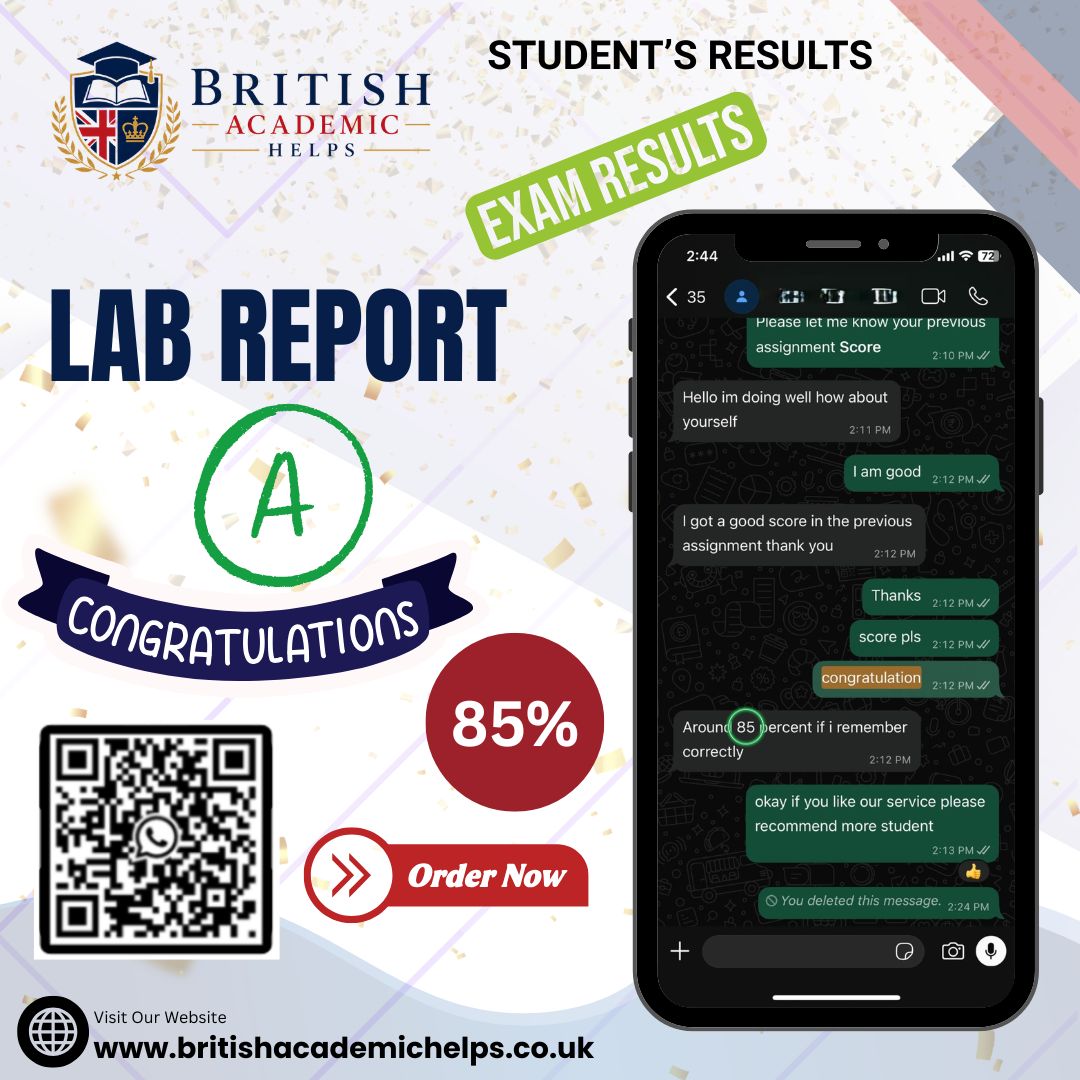
A laboratory report result example showing an 85% student score and positive feedback.

A business management result example displaying several completed module scores shared by a student.
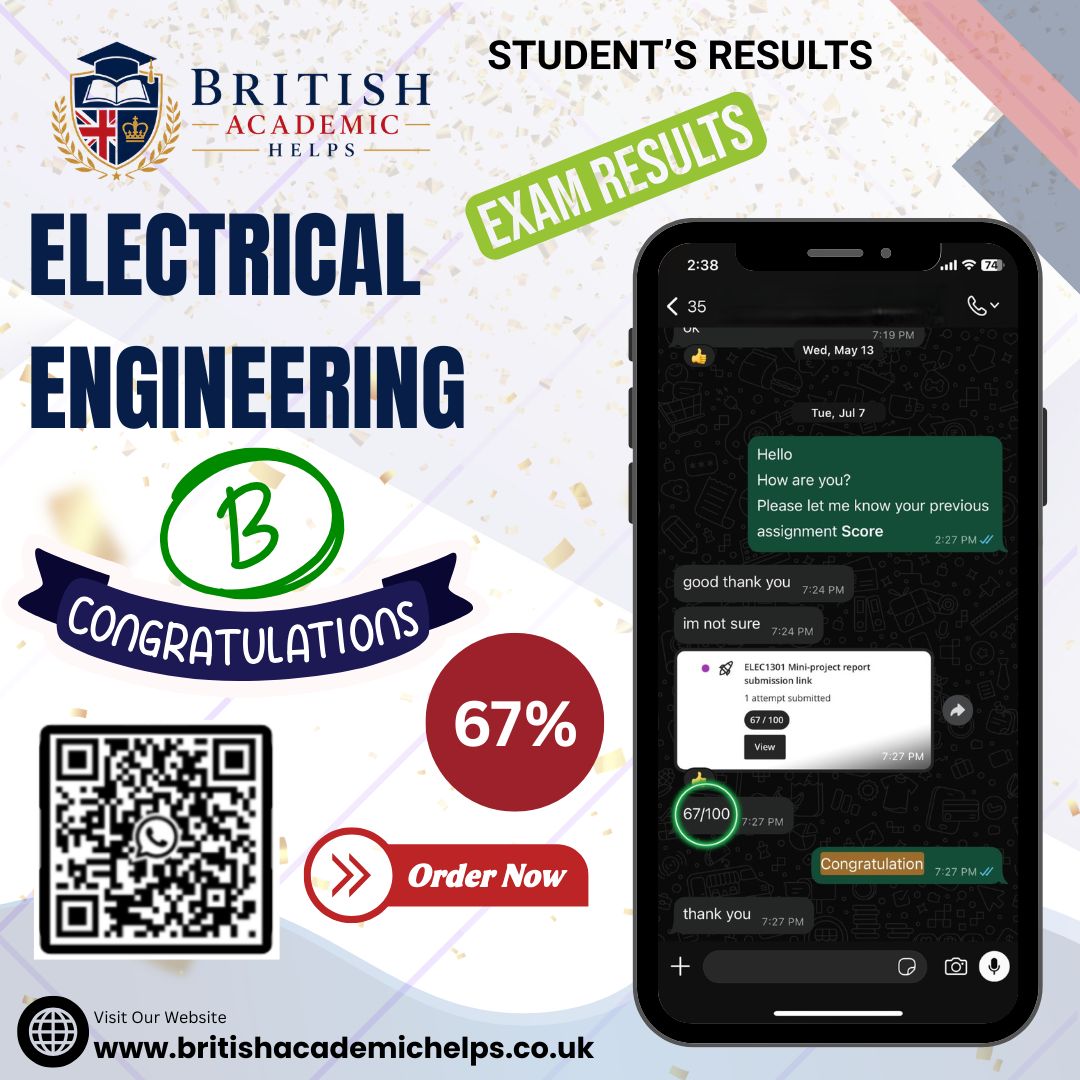
An electrical engineering mini-project result example showing a 67% student score.
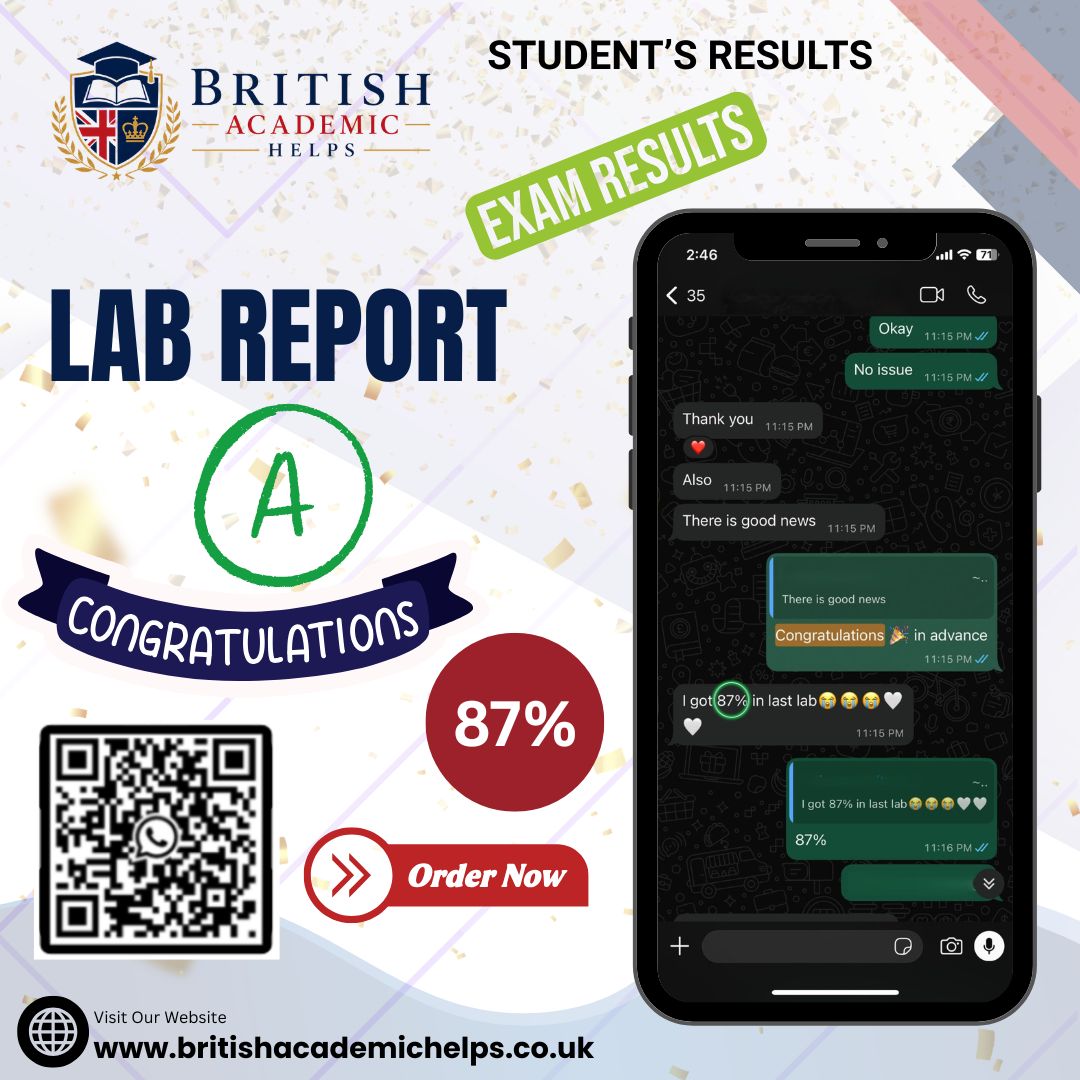
A laboratory report result example showing an 87% student score and positive feedback.

University of Manchester
“The guidance helped me organise my employee engagement report and connect motivation theory with the case evidence. The feedback was clear and practical.”

University of Leeds
“I needed help interpreting an employment relations brief. The structure and referencing feedback helped me improve my own draft confidently.”

University of Birmingham
“The team explained how to analyse recruitment, retention and workforce planning issues without repeating the case description.”

University of Glasgow
“My strategic HRM assignment became much clearer after the tutor mapped each section to the marking rubric and showed me where stronger evidence was needed.”

Cardiff University
“The compensation management feedback helped me compare reward approaches, explain pay equity and write practical recommendations instead of only describing theory.”

University of Nottingham
“The review identified repetition in my performance appraisal section and helped me build a more critical comparison of appraisal methods.”
Online Academic Help supports students in London, Manchester, Birmingham, Leeds, Liverpool, Sheffield, Bristol, Glasgow, Edinburgh, Cardiff, Nottingham, Leicester, Newcastle, Coventry, Oxford and Cambridge. Because the service is online, students can upload their brief and receive guidance without travelling.
Upload the question, marking criteria and deadline to receive a clear quotation for the required academic support.
Pricing is based on word count and deadline. Use coupon code OAH25 on eligible orders.
3 working days or more
12 hours to 48 hours
Enter coupon code OAH25 on the order page. The discount is applied to eligible orders before payment.
Place OrderOnline Academic Help provides tutoring-style guidance, model-answer support, editing, proofreading and referencing assistance. Students must review and understand the material, adapt it appropriately and comply with their university’s academic integrity rules.
Answers to common questions about HRM coursework, academic support, pricing and the service process.
Upload your HRM brief and receive clear pricing based on the required support, word count and deadline.